Have any Questions?
+86 158 9975 6673
Contact Us




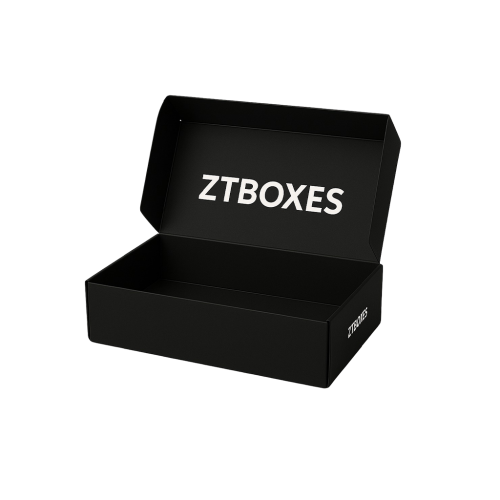
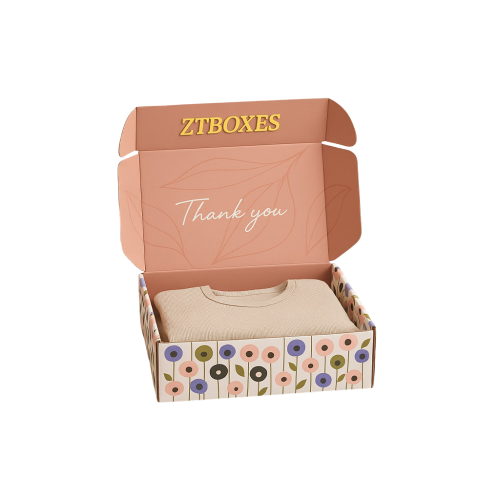
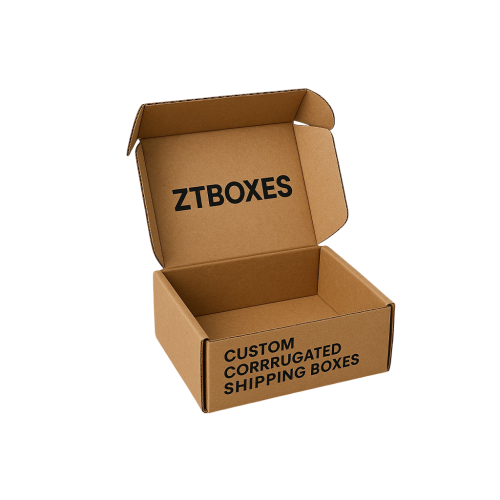
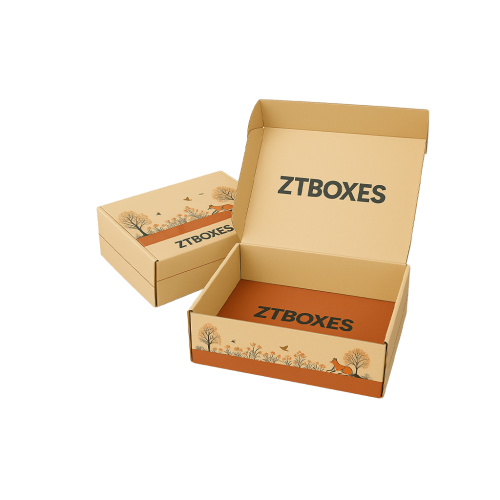

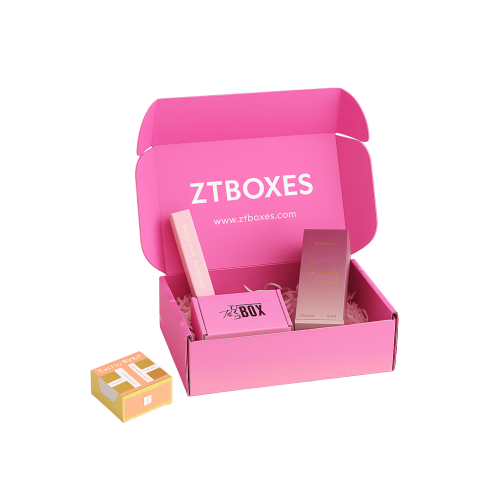

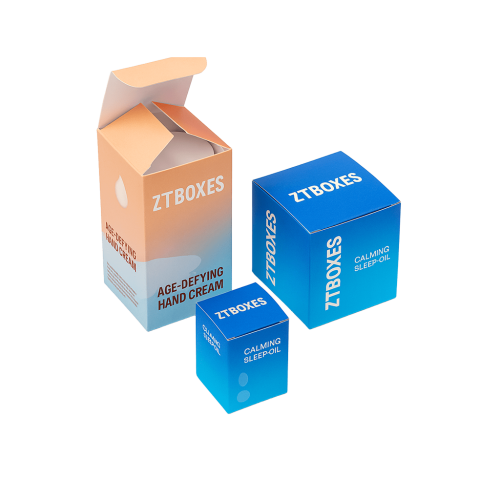

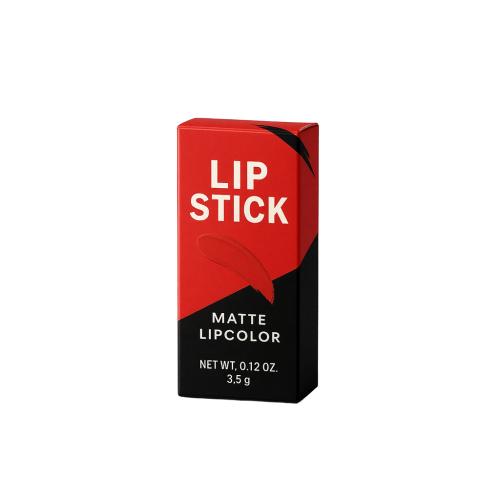
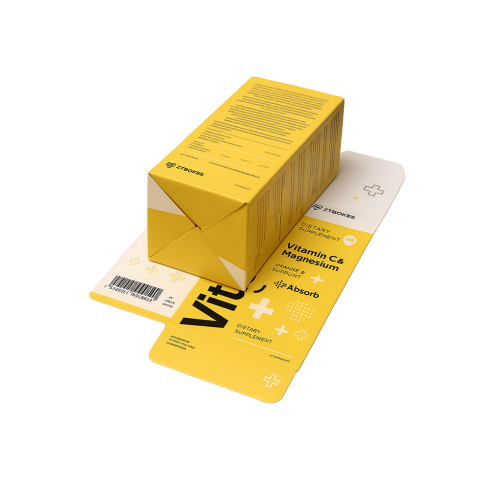
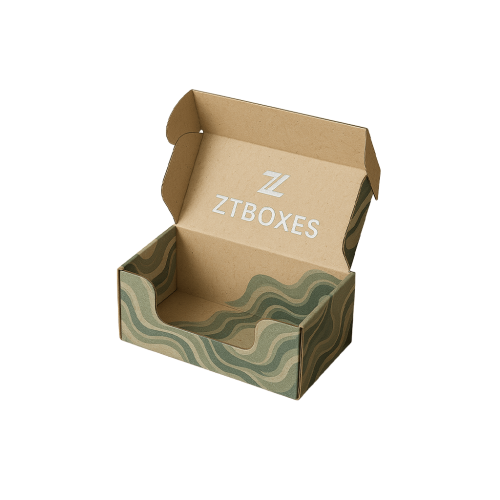
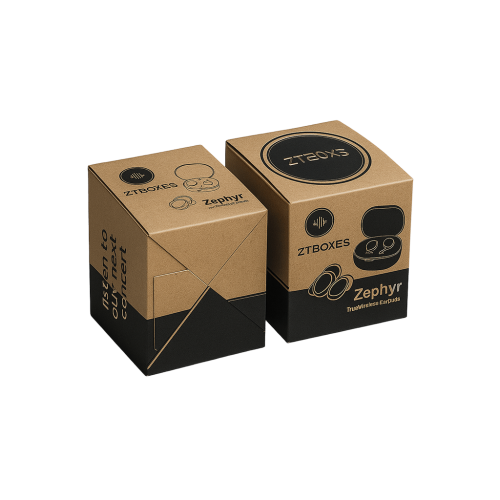
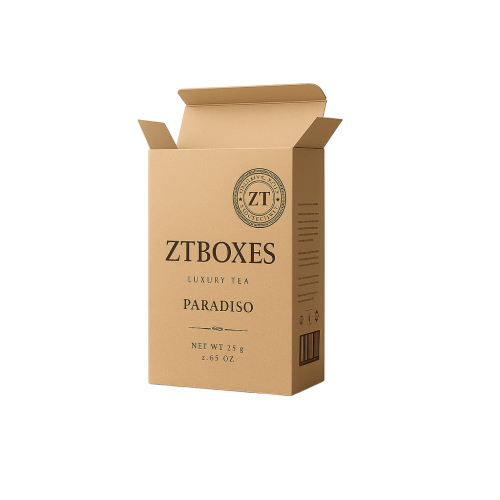
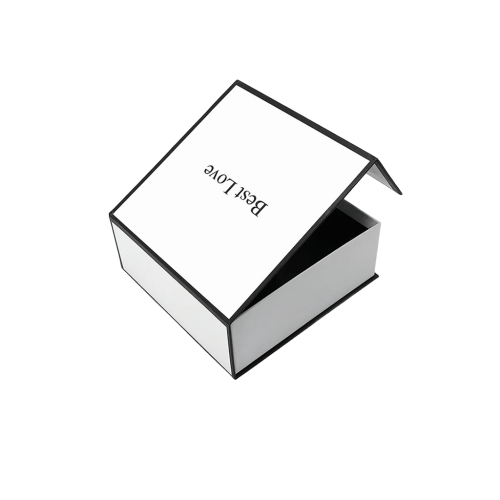
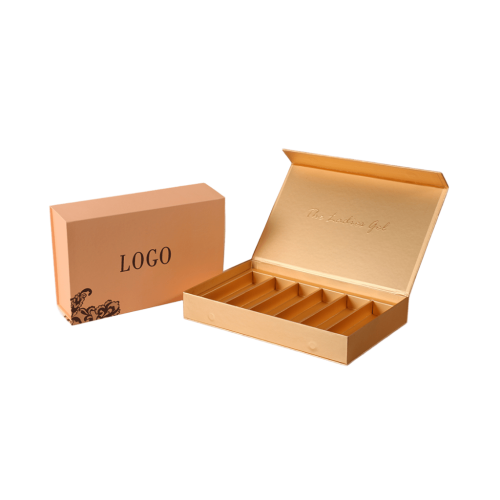

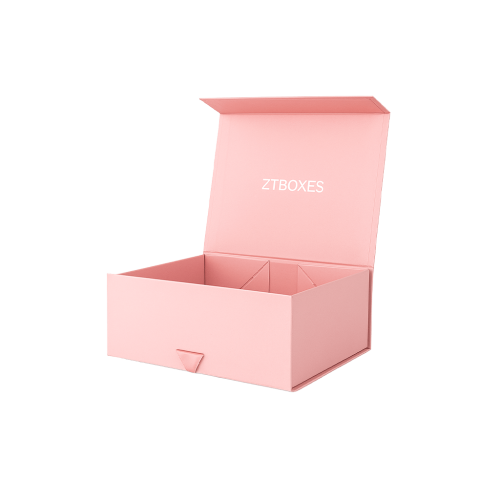
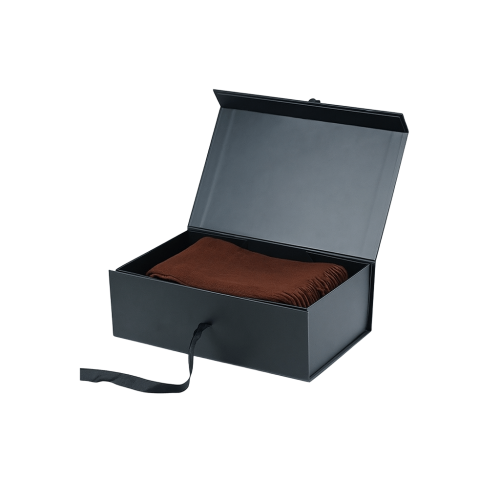
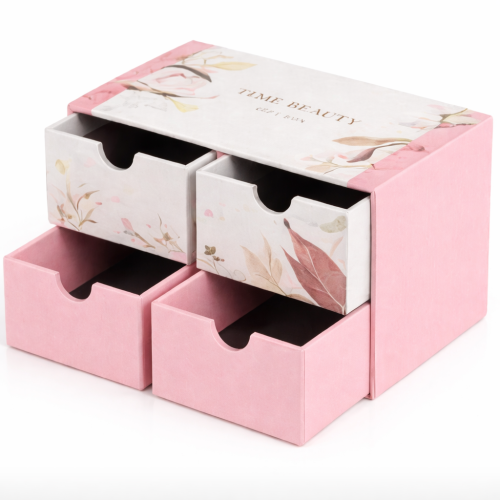
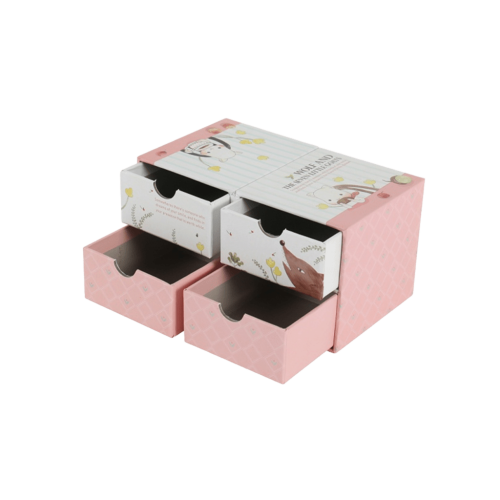
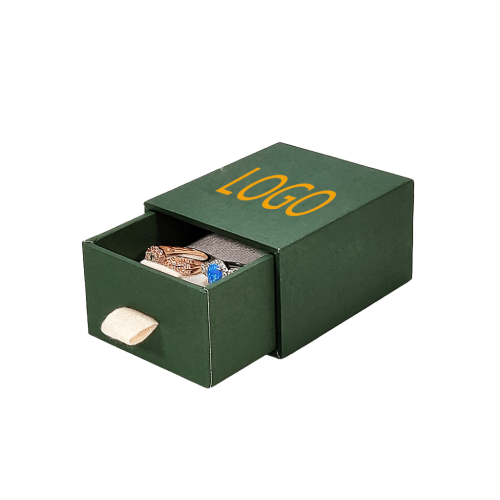
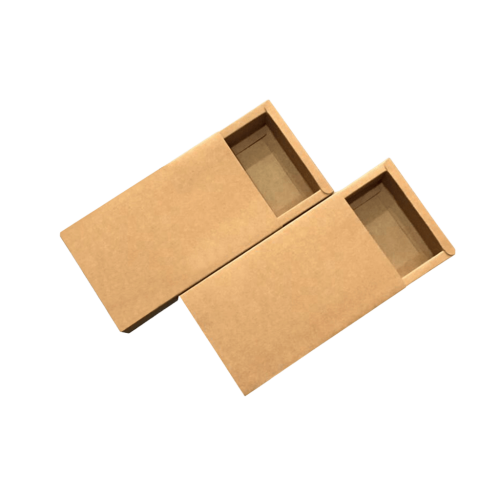

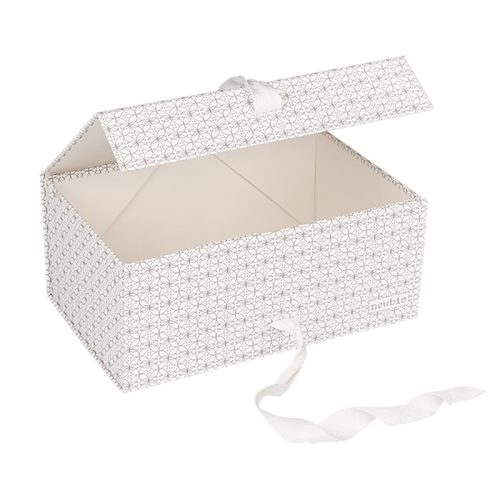
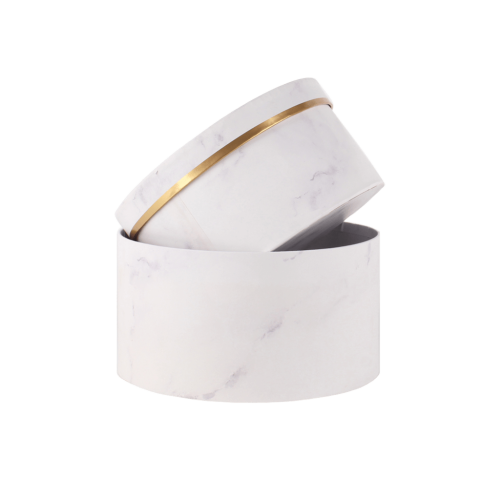
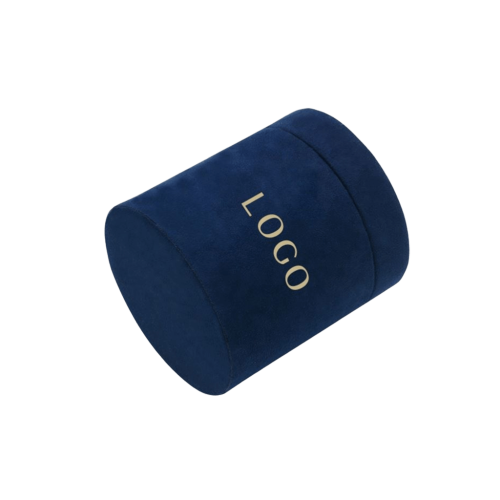
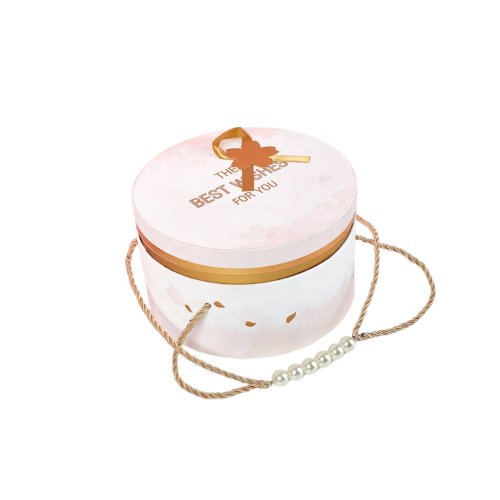
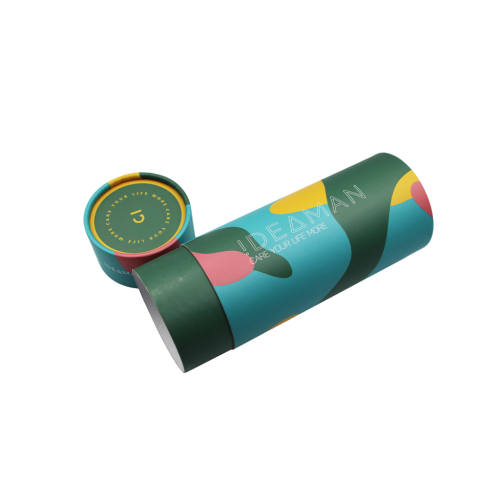
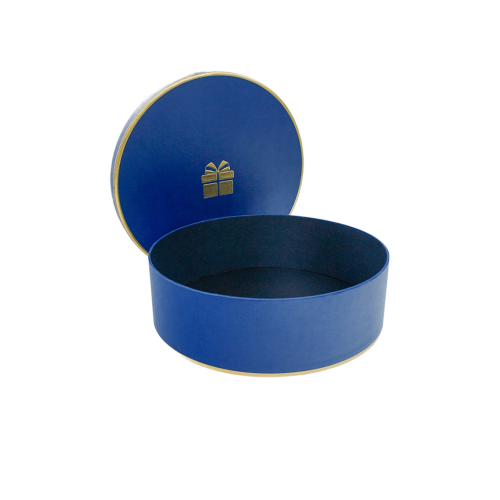
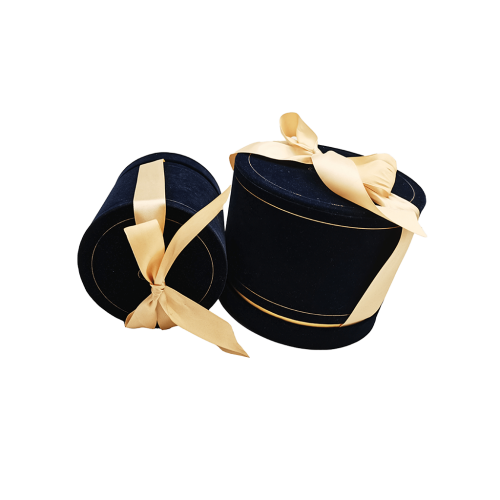
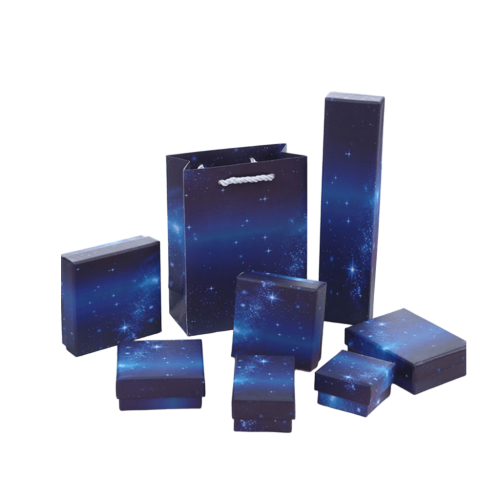
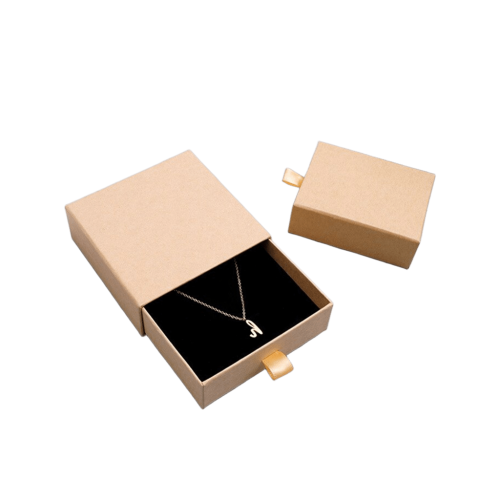

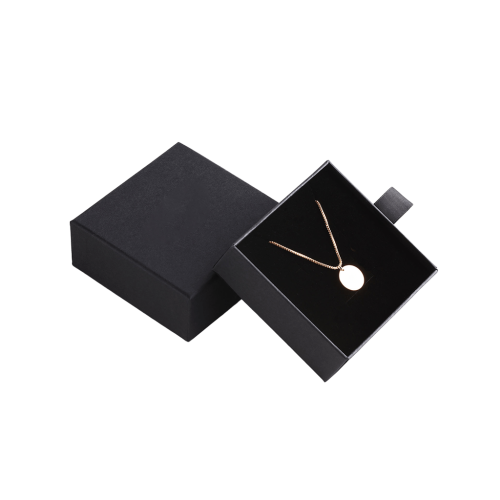

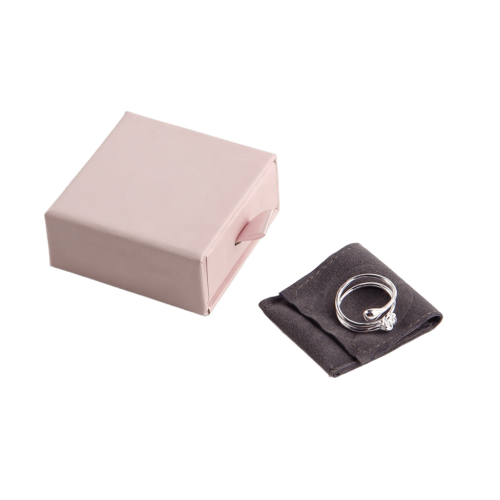
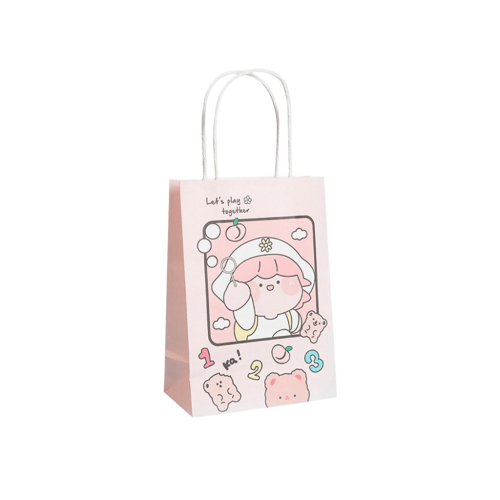
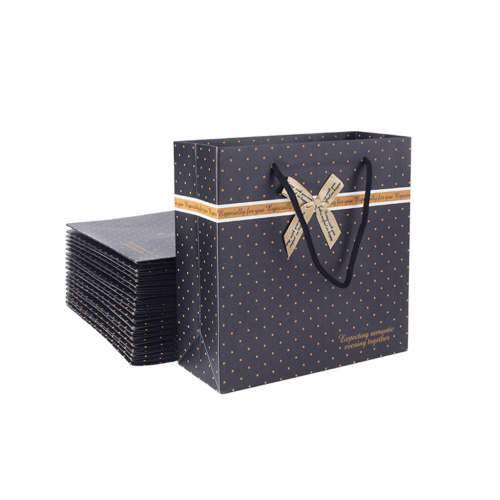

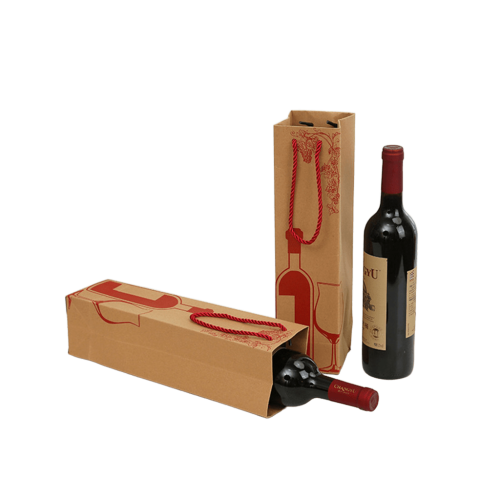
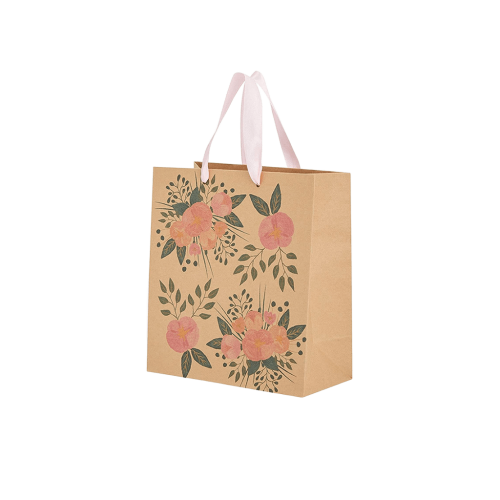
In today’s competitive market, packaging is far more than just a container for a product. It is often the first physical touchpoint between a brand and its customer. Before a buyer experiences the product itself, they see the box, feel the material, notice the print quality, and form an impression. This is why packaging plays a crucial role in product value, brand recognition, customer trust, and even long-term business growth.
Packaging Creates the First Impression
First impressions matter in every industry. Whether the product is cosmetics, jewelry, electronics, candles, apparel, or food, the outer packaging immediately communicates the quality of what is inside. Premium packaging suggests a premium product. Clean structure, strong materials, elegant printing, and refined finishing can make a product look more trustworthy and desirable.
For online brands especially, packaging also bridges the gap between digital purchase and real-world experience. A customer may discover a product through a website or ad, but their final emotional response often happens when they open the package. Attractive packaging helps create a memorable unboxing moment, which can increase satisfaction and encourage repeat purchases.
Packaging Protects Products During Shipping and Display
Beyond appearance, packaging has a practical role: protection. A well-designed package keeps products safe during handling, warehousing, transportation, and shelf display. If packaging is too weak, poorly structured, or made from unsuitable materials, the product may be damaged before it reaches the customer. This can lead to returns, negative reviews, and extra costs for the seller.
Strong packaging structure is especially important for fragile, luxury, or high-value items. Rigid boxes, corrugated mailers, inserts, and protective inner trays all help ensure that products remain secure. Reliable packaging reduces loss and improves the customer experience from factory to final delivery.
Packaging Strengthens Brand Identity
Packaging is one of the most effective branding tools a company has. Through logo placement, color systems, typography, material choice, and finishing details, packaging expresses the personality of a brand. Minimalist packaging can suggest modern elegance. Eco-friendly kraft materials can communicate sustainability. Luxury rigid boxes with foil stamping can reflect exclusivity and gift value.
Consistent packaging also helps customers recognize a brand quickly. When businesses use unified visual elements across their packaging line, they build familiarity in the market. Over time, this consistency improves brand recall and supports stronger market positioning.
Packaging Adds Perceived Value
Good packaging can increase the perceived value of a product without changing the product itself. A candle in a standard carton may feel ordinary, while the same candle in a rigid gift box with custom printing and insert can feel premium and gift-ready. This perceived value can justify higher retail pricing and improve profit margins.
For B2B buyers, this matters greatly. Retailers, e-commerce brands, and wholesalers understand that packaging affects customer perception and final purchasing decisions. Investing in better packaging is often an investment in stronger sales performance.
Packaging Influences Buying Decisions
In physical retail environments, packaging competes directly for attention on crowded shelves. In e-commerce, packaging influences reviews, social sharing, and customer loyalty. Consumers are increasingly attracted to products that not only perform well, but also look professional and feel thoughtfully designed.
Special features such as embossing, foil stamping, spot UV, windows, magnetic closures, drawer structures, and sustainable materials can all make a product stand out. Even simple packaging can be highly effective when the size, structure, and branding are properly aligned with the target audience.
Sustainable Packaging Builds Trust
Modern consumers and businesses care more about sustainability than ever before. Recyclable paper packaging, FSC-certified materials, soy-based inks, and reduced plastic content all help brands show environmental responsibility. Sustainable packaging is no longer just a trend; in many industries, it has become a business expectation.
When brands combine protective performance with eco-conscious design, they strengthen trust and appeal to a wider customer base. This is especially important for international brands that want to meet changing consumer preferences and retail requirements.
Packaging Supports Long-Term Business Growth
Good packaging is not just about one sale. It supports long-term brand development. Better protection reduces complaints. Better design improves customer satisfaction. Better branding increases recognition. Better materials improve reliability. Together, these advantages create stronger customer relationships and more stable market performance.
For growing brands, packaging should be treated as a strategic investment rather than a last-minute requirement. The right packaging partner can help businesses develop custom solutions that match product needs, shipping demands, brand style, and budget goals.
Conclusion
Packaging matters because it does many jobs at once. It protects products, enhances appearance, communicates brand value, improves customer experience, and supports stronger sales. In a crowded market, the right packaging can be the difference between a product that is ignored and a product that is remembered.
For any business that wants to build a professional image and create more value in the market, packaging is not optional. It is an essential part of the product itself.